
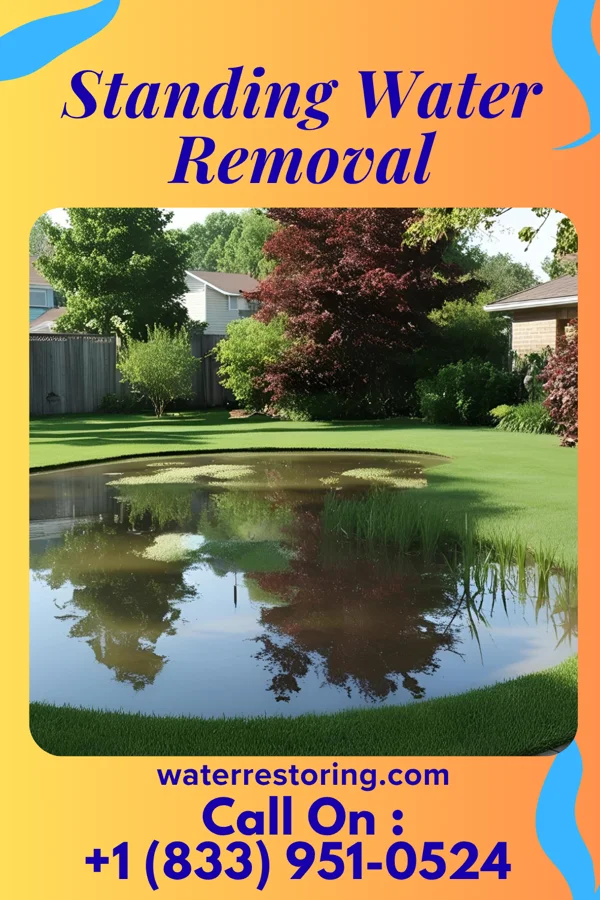
Standing Water Across Grand Mound Neighborhoods
Every neighborhood in Grand Mound has a different water damage risk profile. The one that shows up on most restoration calls is In Grand Mound, Washington, water damage is often caused by heavy rainfall and flooding due to its proximity to the Columbia River and the surrounding rural terrain. The area is also prone to groundwater seepage, particularly in lower-lying areas near Fords Prairie and Rochester, leading to basement and foundation issues.. A close second is Secondary causes include plumbing failures in older homes, leaking roofs during storm events, and irrigation system malfunctions. These issues are exacerbated by the region's wet climate and seasonal snowmelt..
Grand Mound experiences a temperate climate with significant precipitation, increasing the risk of water intrusion. The area's rural setting and lack of extensive drainage systems make it vulnerable to prolonged water exposure, especially during the spring and fall seasons.
Water damage in Grand Mound follows a few local patterns. In Grand Mound, Washington, water damage is often caused by heavy rainfall and flooding due to its proximity to the Columbia River and the surrounding rural terrain. The area is also prone to groundwater seepage, particularly in lower-lying areas near Fords Prairie and Rochester, leading to basement and foundation issues. accounts for the bulk of our calls. Grand Mound experiences a temperate climate with significant precipitation, increasing the risk of water intrusion. The area's rural setting and lack of extensive drainage systems make it vulnerable to prolonged water exposure, especially during the spring and fall seasons. Due to the high humidity and frequent rainfall in Grand Mound, mold can develop rapidly after water damage. Prompt action is critical to prevent health risks and structural damage, especially in homes with older insulation and ventilation systems.
For public guidance on the health effects of mold after prolonged water exposure, see the EPA mold and health page.